Author: New Renato Community Society

  • Construction: building Kashitu’s future

    Construction: building Kashitu’s future

    Infrastructural development

    New Renato Community Society (NRCS) is a registered community-based non-profit organisation located in Kashitu, Zambia, dedicated to improving the quality of life of vulnerable and underserved communities through sustainable development initiatives.

    In the education sector, NRCS facilitated the establishment of Renato Community School in 2004, which was upgraded to Rainbow School in 2024. Together with Fountains of Life e.V. Germany, two nursery schools and additional teachers’ houses were built. NRCS is currently constructing Kashitu High School and envisions establishing a university in the future, to provide a complete educational pathway from early childhood to tertiary education.

    In health, NRCS supports community well-being through Renato Health Post, primary healthcare services, child health programmes, nutrition interventions, psychosocial support for people affected by HIV/AIDS, eye health assessments, and water, sanitation and hygiene (WASH) initiatives. We also promote sustainable agriculture through crop production, livestock, beekeeping and income-generating activities such as tomato farming, which also supports our school feeding programmes.

    Freshly pressed interlocking bricks drying at sunset

    Building skills, building communities

    At NRCS, construction is more than putting up buildings — it is about creating opportunities and developing communities. Through our building and construction pillar, we train local people in practical skills such as brick making, carpentry, building and joinery, helping young people and community members gain skills for employment and self-reliance. NRCS has been involved in building classrooms, nursery school facilities, churches and other community buildings.

    The construction of the Kashitu project buildings continues with the active engagement of Czech volunteers and engineers alongside NRCS workers. Together, we are building more than structures — we are creating opportunities and shaping a better future for generations to come. Every brick laid represents partnership, hard work and a shared vision. A heartfelt thank you to our Czech volunteers and our hardworking NRCS team.

    Builders in safety vests laying interlocking bricks

    2026: the beekeeping classroom

    Construction of the NRCS beekeeping classroom is in progress. It will provide a dedicated space where community members, young people and aspiring beekeepers receive practical and theoretical training in modern beekeeping, honey production, hive management and environmental conservation.

    The classroom will help local beekeepers improve honey quality, increase production and earn more from honey and other bee products. Beekeeping also promotes environmental conservation and tree planting. Once completed, the classroom will serve as a community learning and skills-development centre for farmers, youth and women.

    Compost toilets

    Through the UNDP-supported sanitation project, NRCS is constructing compost toilets and training the Kashitu Sanitation Club on hygiene, sanitation and the proper management of compost toilets. We also promote handwashing, environmental cleanliness and personal hygiene, and introduce humanure as an organic fertiliser that links sustainable sanitation with agriculture.

    Finished brick building in Kashitu
  • Safe water and sanitation

    Safe water and sanitation

    Water borehole drilling project – Kashitu community

    Through the generous support of our German partner, Fountains of Life e.V., New Renato Community Society has successfully implemented water borehole drilling projects in the Kashitu community. The project improves access to clean and safe drinking water, reduces waterborne diseases and eases the burden of long-distance water collection for households, schools and other community institutions.

    Placeholder – photo coming soon
    Photo of a borehole coming soon

    Helping those in need

    The boreholes have greatly improved access to safe drinking water and improved hygiene and sanitation. Women and children now spend less time walking long distances to fetch water, so children can attend school more consistently while families engage in productive activities.

    The boreholes have also become central social gathering points, where community members meet, share information and take collective responsibility for maintaining the water facilities.

    Water for irrigation farming

    Beyond domestic needs, the boreholes are an important resource for community gardening. Families and groups grow vegetables and other crops that improve household nutrition, strengthen food security and generate additional income. Water throughout the year also makes small-scale farming more resilient during the dry season.

    We sincerely appreciate the unwavering support of Fountains of Life Germany, whose partnership continues to improve health, livelihoods, food security and well-being for the people of Kashitu.

  • Supporting beekeeping

    Supporting beekeeping

    Beekeeping has been one of the long-standing livelihood activities of New Renato Community Society (NRCS), led by Mr. Thomas Kafula. Over the years, the initiative has given community members beekeeping knowledge and skills, promoting sustainable income, environmental conservation and better household livelihoods. With support from partners, the project has expanded with modern beehives, protective equipment, and honey production and marketing.

    Beekeeping as a pilot project

    As part of our agriculture pillar, NRCS has developed beekeeping as a pilot project to promote sustainable livelihoods and improve income opportunities for local farmers. The project teaches modern beekeeping, honey production, harvesting and hive management.

    More than 1,000 local farmers have been trained in beekeeping, enabling them to diversify their farming and earn additional income from honey and other bee products. Beekeeping also contributes to food security, environmental conservation and the pollination of crops.

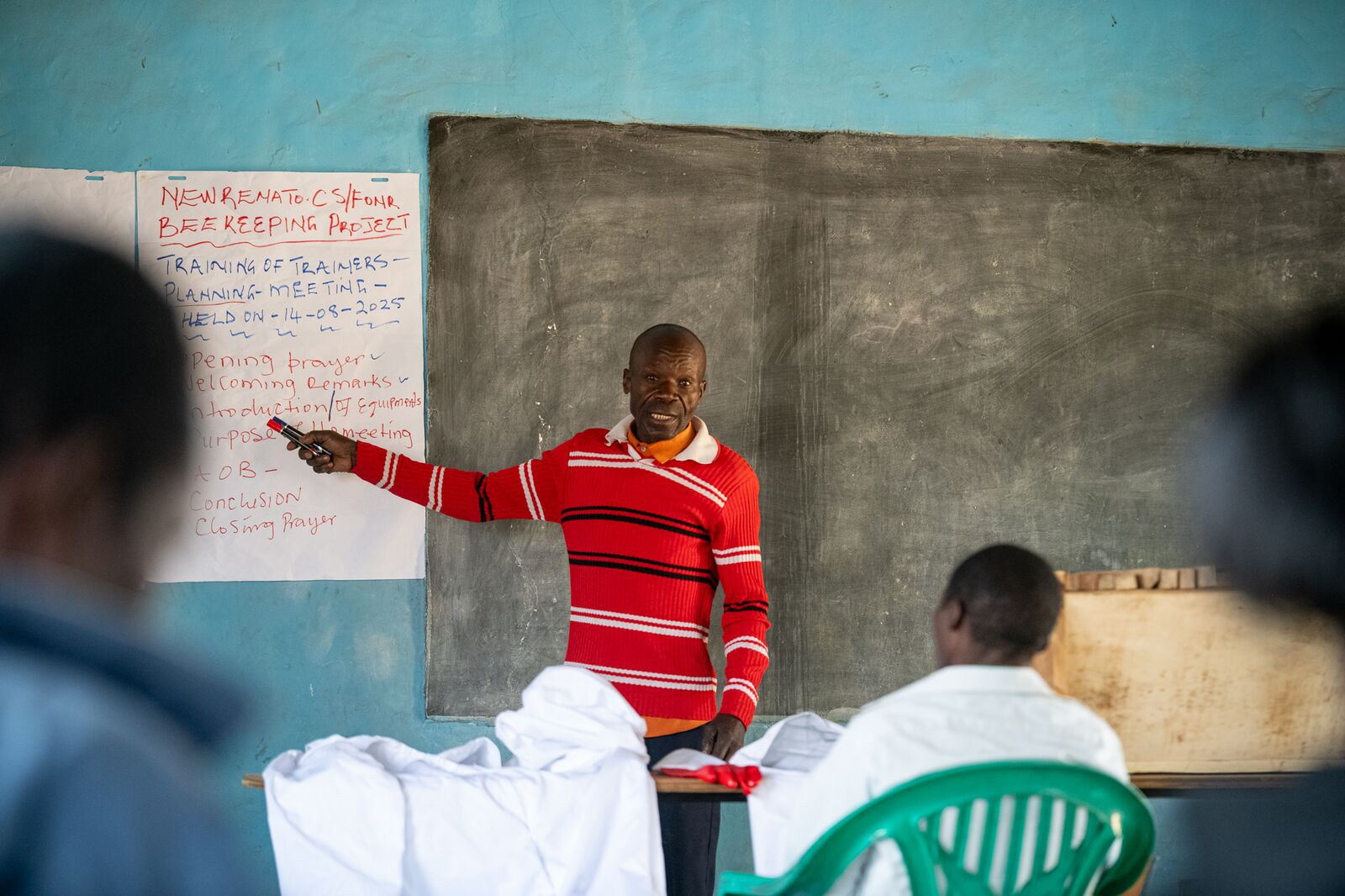
    Beekeeping trainer explaining during a workshop

    Keep the bees, so that even when you grow very old, they will still work for you.

    Thomas C. Kafula, beekeeping trainer
    Wooden beehive placed in a tree

    Honey production and processing

    NRCS supports the collection and processing of raw honey into a cleaner, higher-value product. The honey is filtered and processed before being packaged for consumers. Proper processing and packaging maintain the natural quality of honey while improving its presentation and market value.

    Honey production gives farmers an additional income and creates opportunities along the value chain, including collection, processing, packaging, transport, marketing and sales. Through the honey project, NRCS aims to build a sustainable honey value chain that benefits local farmers and promotes self-reliance.

    Jars of Kashitu Honey from the local women's beekeeping group
  • Building schools and learning materials

    Building schools and learning materials

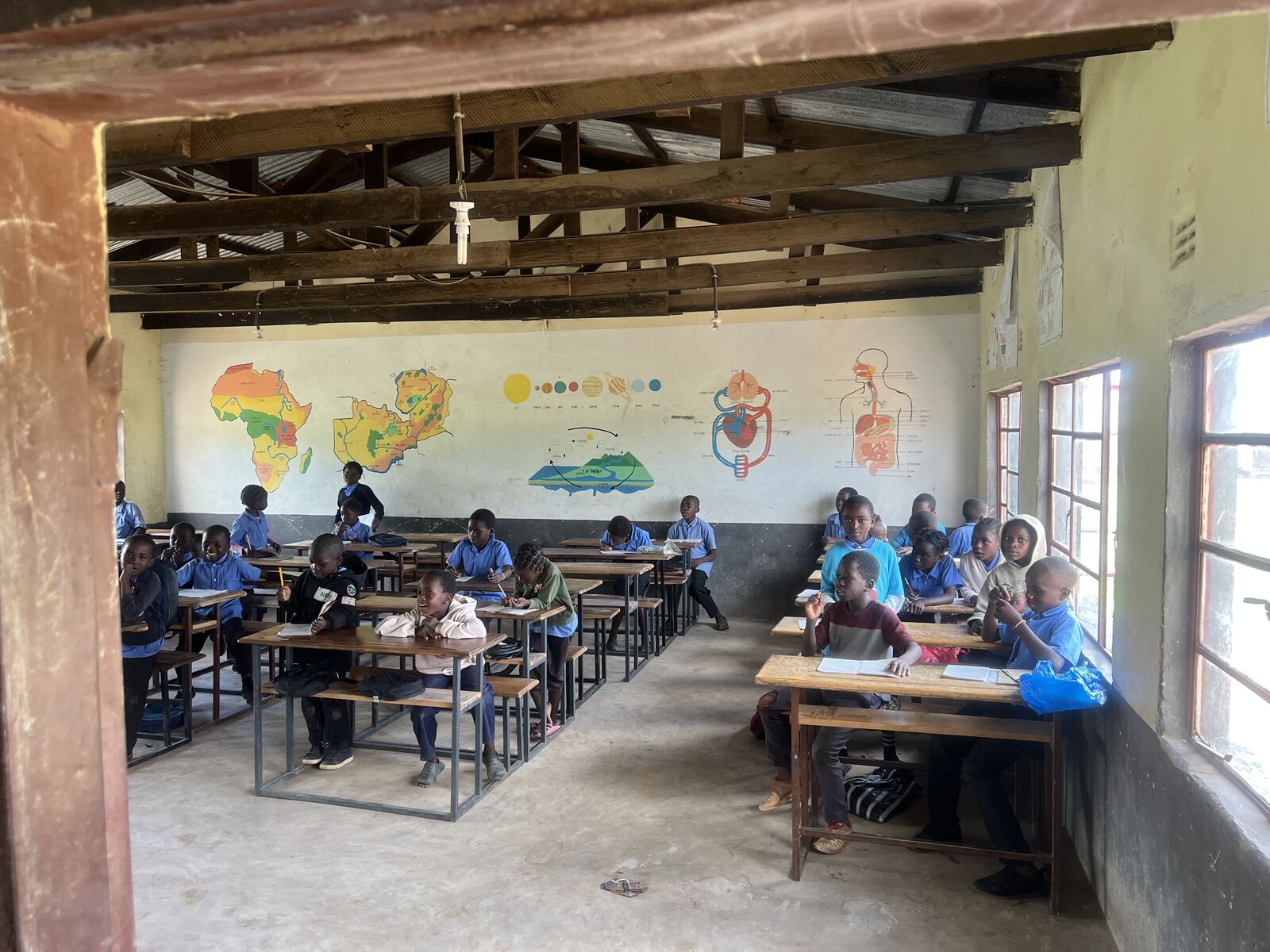
    In the education sector, NRCS facilitated the establishment of Renato Community School in 2004, which was upgraded to Rainbow School in 2024 with improved infrastructure and additional classrooms. NRCS is currently constructing Kashitu High School and envisions establishing a university in the future, to provide a complete educational pathway from early childhood to tertiary education.

    Education, a tool for a great future

    Education is one of the key pillars of development in the rural communities of Kashitu. It gives children and young people the knowledge, skills and confidence they need to improve their lives and contribute to their communities.

    In rural areas, access to quality education can be difficult because of limited learning facilities, long distances to school, inadequate resources and the economic difficulties families face. NRCS sees education as an important pathway out of poverty and a foundation for sustainable community development. An educated community is better equipped to understand health and sanitation, adopt improved farming methods, access economic opportunities and take part in community decisions.

    Sorting new learning materials for the school

    Education, the unbeatable decision.

    Through our education programmes, NRCS supports safe and supportive learning environments where children acquire academic knowledge, practical skills, discipline and values. Our work includes supporting school infrastructure, improving learning facilities and creating opportunities for children from vulnerable households. By investing in education in Kashitu, we are investing in the future of children, families and the wider community.

  • Empowering farming

    Empowering farming

    Agriculture is one of the core pillars of New Renato Community Society (NRCS) because it plays a vital role in improving food security, nutrition and household incomes. In Zambia, and especially here in Kashitu, maize is the staple food, and its successful production depends on access to quality agricultural inputs, particularly fertiliser.

    Our farming projects

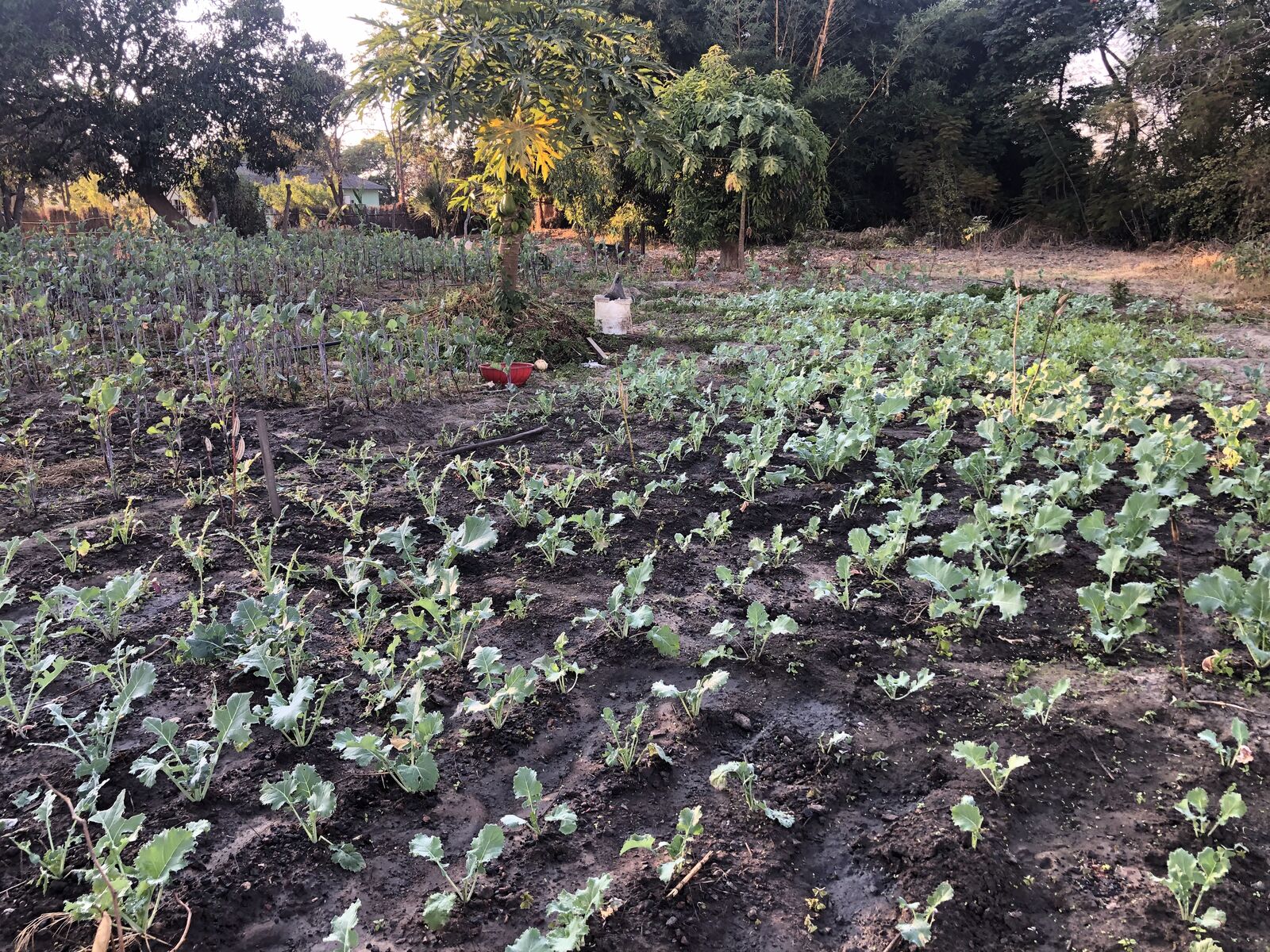
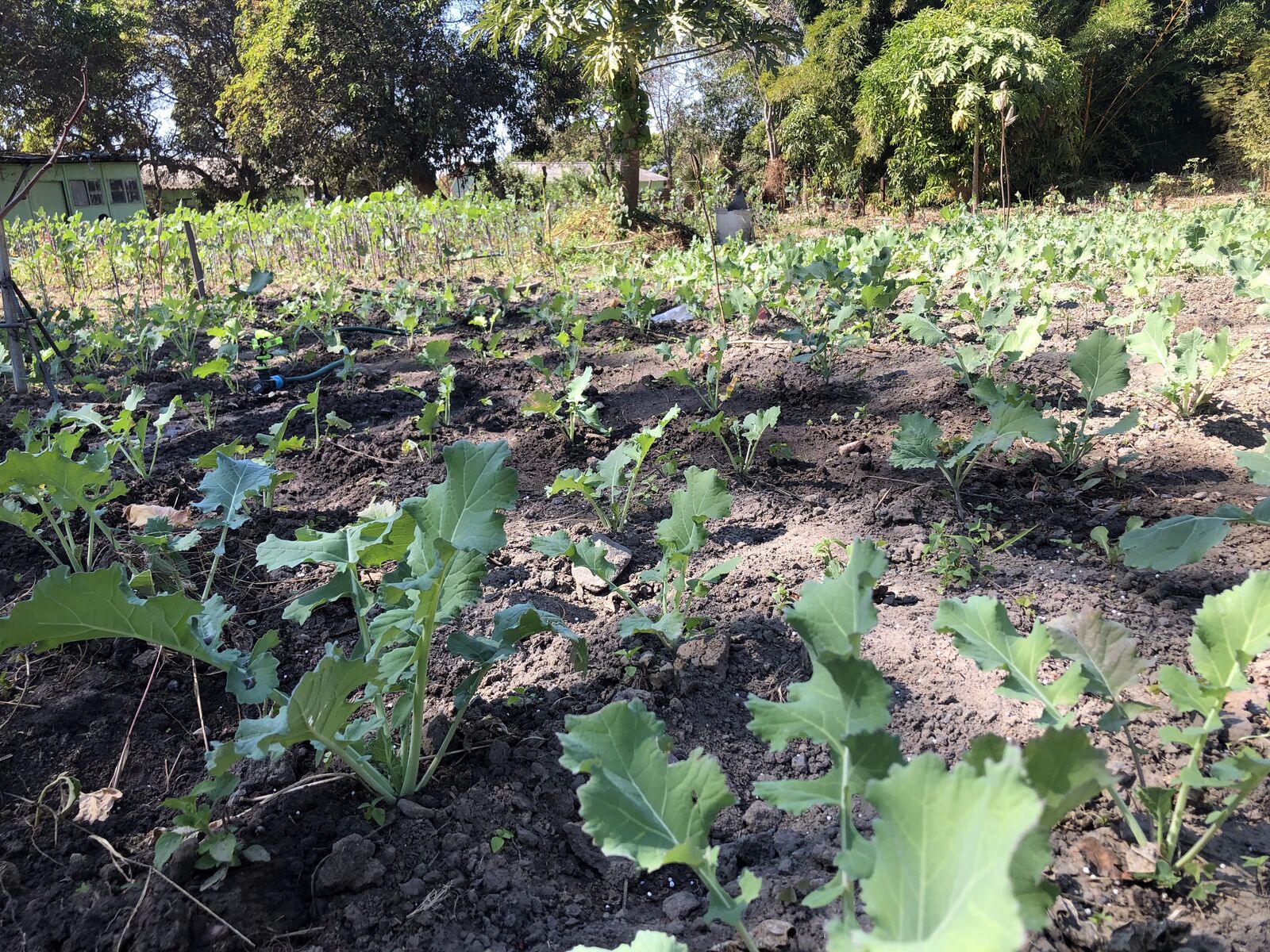
    We are growing tomatoes, vegetables and sweet potatoes to support sustainable school feeding programmes, improve child nutrition and create income-generating opportunities for families in our community, while promoting affordable and sustainable farming practices.

    Community members preparing a field with hoes
    Young vegetable plants in a garden bed

    New technology in agriculture

    Because of the lack of fertiliser, Friends of New Renato (Czech Republic), through the United Nations Development Programme (UNDP) and with financial support from the Ministry of Foreign Affairs of the Czech Republic, have introduced a new method to produce fertiliser from human urine and manure. The project is called “Integrated Sustainable Circular Sanitation-Fertilizer Management System Pilot for Kashitu”.

    Agriculture remains one of the key pillars of our community development strategy. We integrate agricultural training with education, entrepreneurship and community empowerment, so that local people have the skills and resources to improve their living standards.

    Poultry farming

    NRCS also promotes poultry farming to improve food security, nutrition, income and self-reliance. The project raises chickens for eggs, with plans to expand. It supports our feeding programmes with nutritious food and serves as a practical learning platform in poultry management, feeding, disease prevention, hygiene and record keeping.

  • Carpentry

    Carpentry

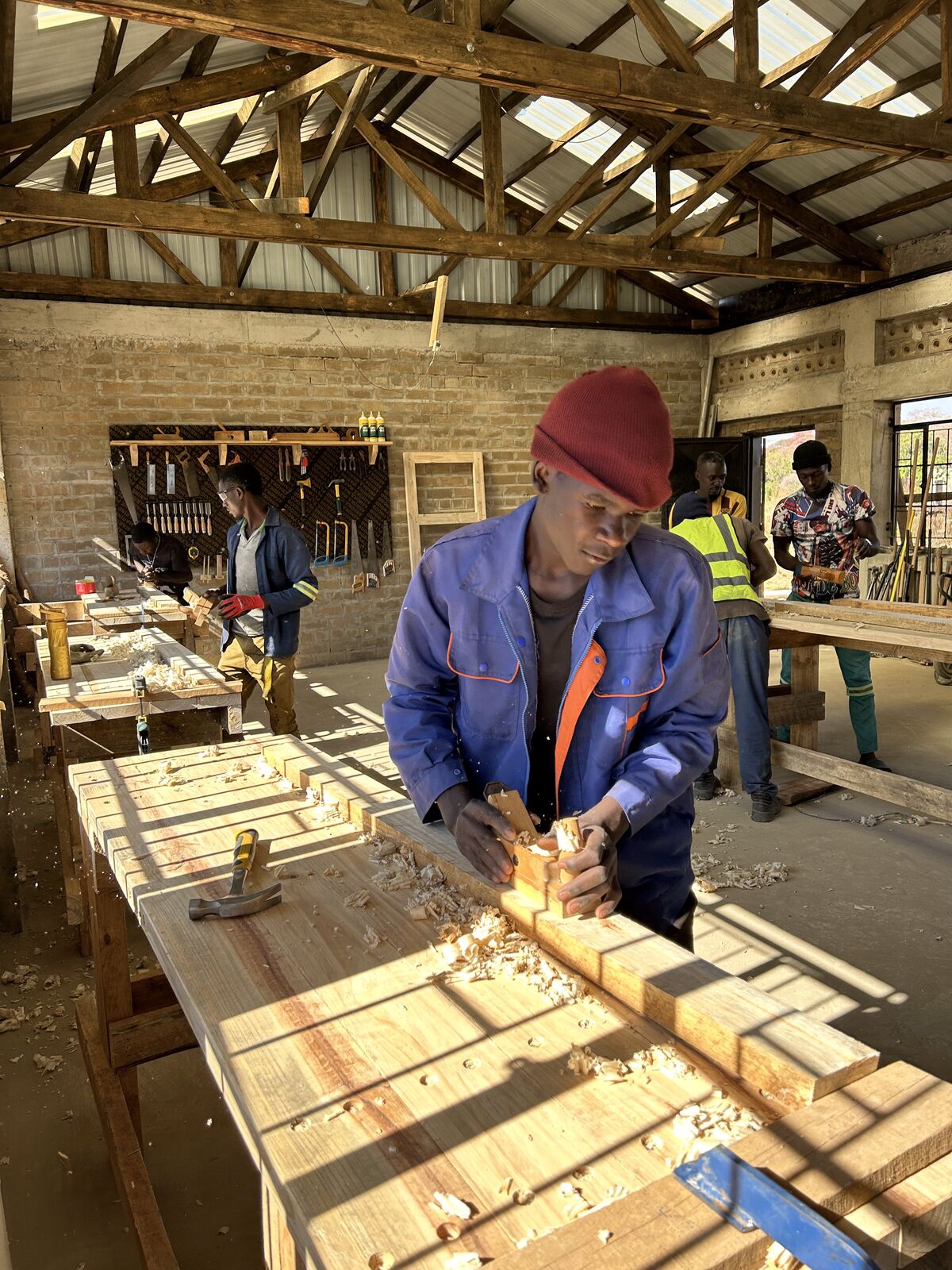
    At New Renato Community Society (NRCS), our carpentry department is more than a workshop — it is a centre for skills development, construction support, education, beekeeping and community empowerment. Our carpenters produce doors, window frames, roof structures, furniture, fittings and other wooden products used across NRCS programmes and in the wider community.

    Supporting construction

    The carpentry department works closely with our building and construction department, providing the woodwork and joinery needed for ongoing construction projects. This makes use of local skills and resources and reduces dependence on externally sourced products.

    Supporting education

    Our workshop produces desks, tables, benches and chairs for nursery schools and other educational facilities, creating better learning environments for children.

    Working together at the carpentry workbench
    Beehives built in the carpentry workshop

    Supporting beekeeping

    We produce beehives and other wooden beekeeping equipment for our beekeepers and community members involved in honey production.

    Supporting churches and community gatherings

    We also produce tables, benches and chairs for churches and community institutions used for worship, meetings, training and social gatherings.

    Skills, employment and self-reliance

    The carpentry programme gives young people and community members practical opportunities for skills development, employment, entrepreneurship and income generation. We are not only working with wood — we are building skills, supporting livelihoods and building the future of our community.

  • Justice and human rights

    Justice and human rights

    Promoting non-discrimination

    New Renato Community Society (NRCS) stands for fairness, equality, dignity, accountability and respect for the rights of every community member. We work to ensure that vulnerable individuals, children, women and other community members have equal opportunities to access essential services and take part in community development.

    NRCS promotes justice by encouraging equal treatment, non-discrimination, transparency and community participation in its programmes. Decisions affecting the community consider the needs and rights of different groups, particularly those who may be disadvantaged or marginalised.

    Fighting stigma, gender-based violence and inequality

    We encourage peaceful conflict resolution and dialogue when disagreements arise. Community members are encouraged to communicate openly, listen to one another and seek fair solutions rather than relying on discrimination, intimidation or violence. Through our education, health, agriculture, water and sanitation, skills training and livelihood programmes, NRCS contributes to social and economic justice.

    Gender participation

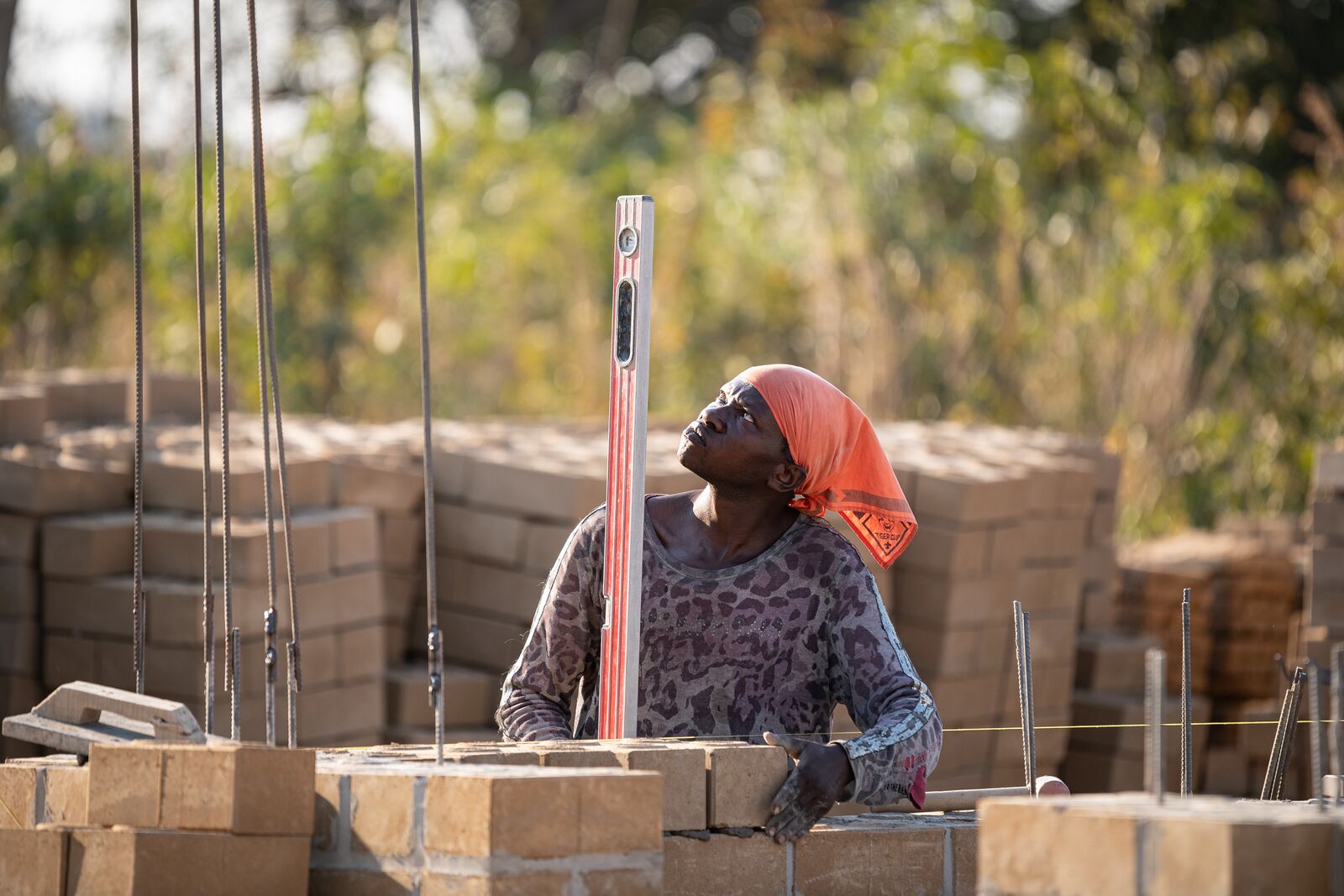
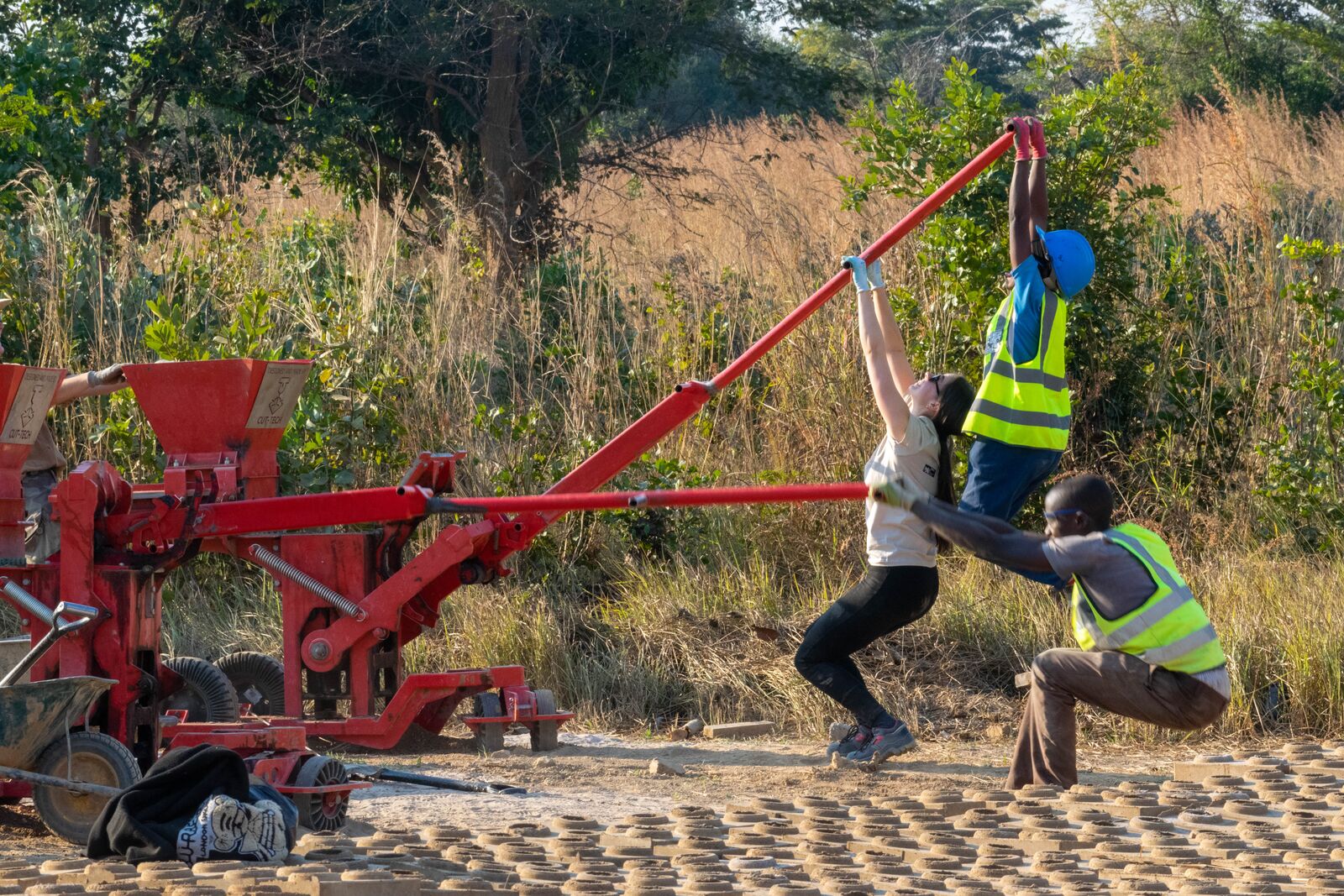
    At NRCS, we promote the participation of both women and men in building and construction activities. Women take part in bricklaying, plastering, brick making, site work and other practical building skills alongside men. This helps break traditional gender barriers and creates opportunities for skills development and income generation.

    Women working at the brick press alongside men
  • Tailoring and fashion design

    Tailoring and fashion design

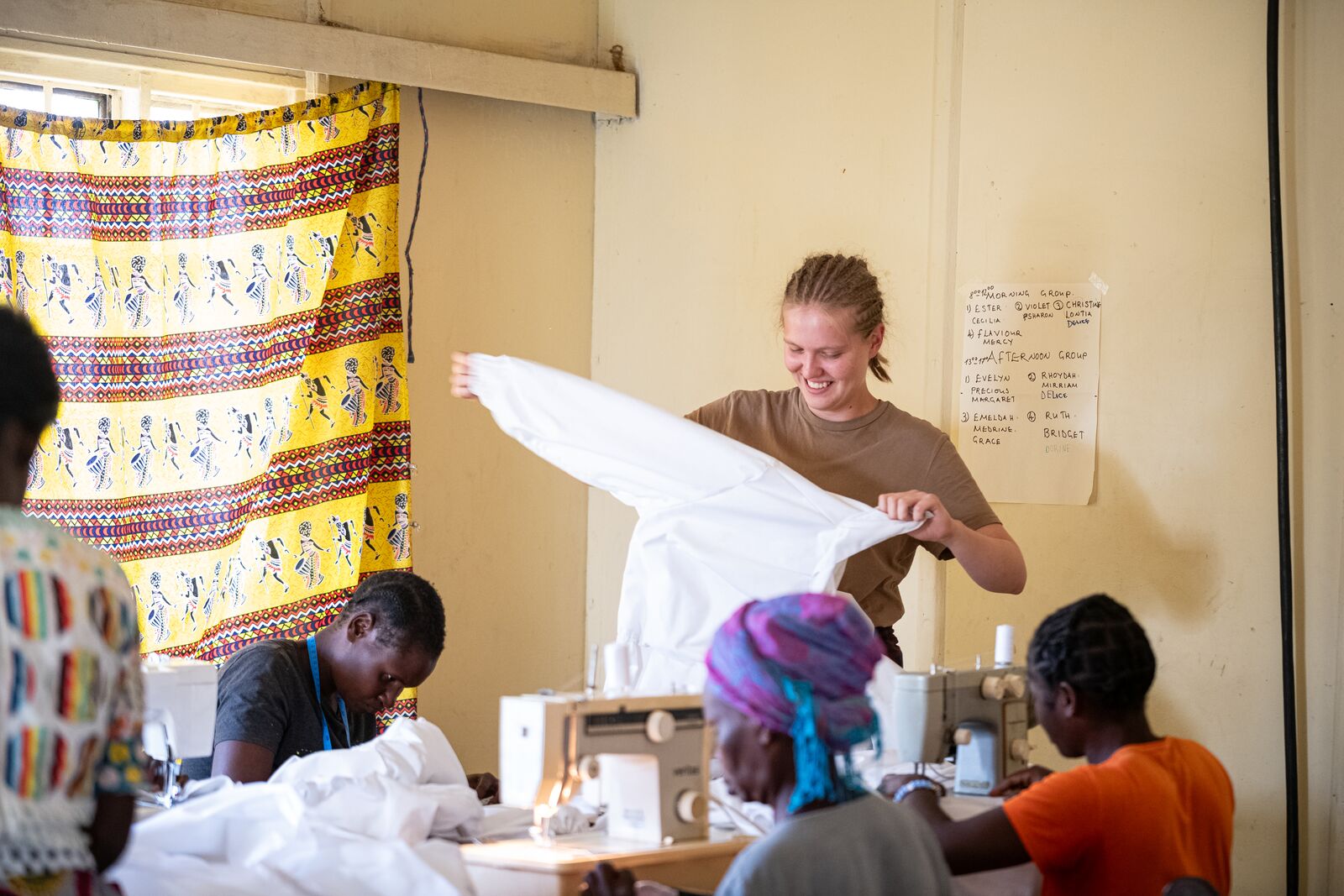
    The tailoring department at New Renato Community Society (NRCS) provides practical sewing and tailoring skills while supporting income generation and community needs. It produces a variety of useful, locally inspired products:

    • Bee suits and protective clothing for beekeepers
    • School uniforms for nursery and school-going children
    • School and shopping bags
    • Chitenge traditional clothing and outfits
    • Cup mats and table accessories
    • Clothing repairs and alterations
    • Other customised fabric and sewing products

    Women’s participation

    The tailoring programme promotes women’s empowerment, skills development and economic independence. By producing uniforms, bags, chitenge clothing, cup mats, bee suits and other products, women gain practical skills that help them generate income and support their families.

    Girls’ inclusion in tailoring

    Girls are encouraged to take part in training and production. Through these activities they develop vocational skills, creativity, confidence, entrepreneurship and financial independence, and explore opportunities beyond traditional gender roles.

    Empowering a girl child, raising an informed community.